











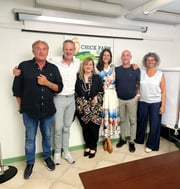
Chick Farm Europe is first in Italy to adopt Genus Focus for in-ovo sexing
Read our blogs


 Layers
Nest and aviary systems
 Breeders
Nest and aviary systems
Layers
Rearing systems

Various system enhancements
Solutions for manure handling
Simple, compact and flexible egg collection

Gentle egg handling and packing
Data driven egg collection

All ECO Base climate solutions

All ECO Zero climate solutions

Total control over the entire egg flow

Accurate and reliable egg counting

Detecting leaking eggs

Automatic and objective egg sorting

Inspect your poultry house automatically

Connect the full Egg Way
 Broilers
On-farm hatching
Broilers
Effective feeding of broilers

 Hatchery
Prinzen Setter Lines

Hatchery
Automatic egg selection
Hatchery
Contactless sexing


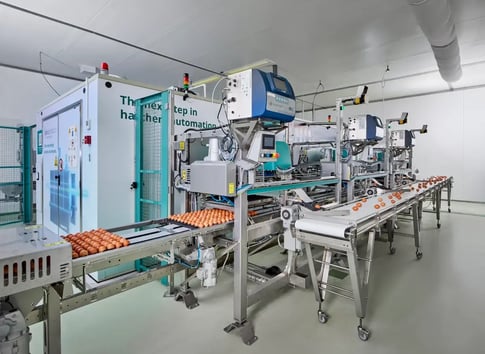
Genus Focus for in-ovo sexing is designed for layer hatcheries that need more than an accurate embryo-sexing result. It brings together Orbem’s MRI and AI classification expertise and our automation expertise to manage every egg before and after classification in one seamless process.
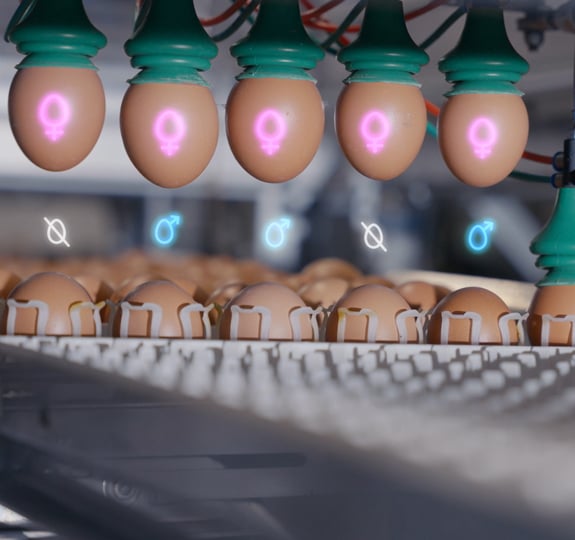
Female-identified eggs return to incubation, while male and clear eggs are removed from the hatchery flow before hatch. The result is a controlled process that helps hatcheries reduce manual labour dependency, increase usable capacity and maintain a predictable daily rhythm.

Strategic Business Development Manager
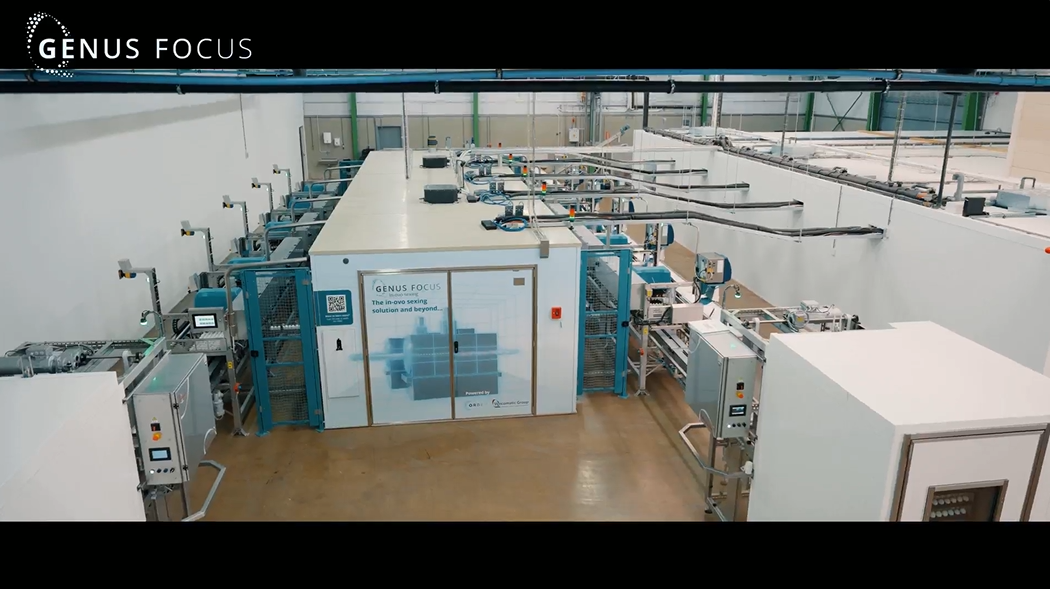

After in-ovo sexing, male and clear eggs are automatically removed from the hatchery flow. This means the remaining incubation process is focused on female-classified eggs.
For hatcheries, this supports more efficient use of setter and hatcher space from day 11–12 onwards.
By achieving 0.5% or less males in hatch with Genus Focus for in-ovo sexing, manual sexing after hatch is no longer needed in daily operation. This reduces dependency on manual sexing labour and allows hatchery teams to redeploy people to other activities.
By continuing incubation with female-identified eggs, hatcheries gain a more predictable basis for planning day-old chick output. Where customer data supports it, this can also be linked to a more uniform hatch window and chick quality.

MRI-based scanning keeps the eggshell intact and works without taking a sample from the egg.

Our automation manages egg handling, positioning, and sorting from tray to tray.

The process is designed around a one-operator workflow for up to six modules in commercial hatchery operation.

Capacity can be scaled modularly around the hatchery’s required throughput and available footprint.

Orbem’s AI models and dashboards support performance monitoring and continuous solution improvement.

Flock tracking supports supply-chain verification from flock source through the in-ovo sexing process.
Pluriton’s first production day showed what operational confidence looks like in practice: the Genus Focus line ran smoothly from day one, allowing the team to observe the process rather than intervene. The hatch results reinforced that confidence, with successfully hatched chicks visible box after box.
Customer outcomes
“On our first day of production, we literally placed two folding chairs in front of the line, sat down and just watched it run.”

Corné Verwijs
Operations Manager Pluriton
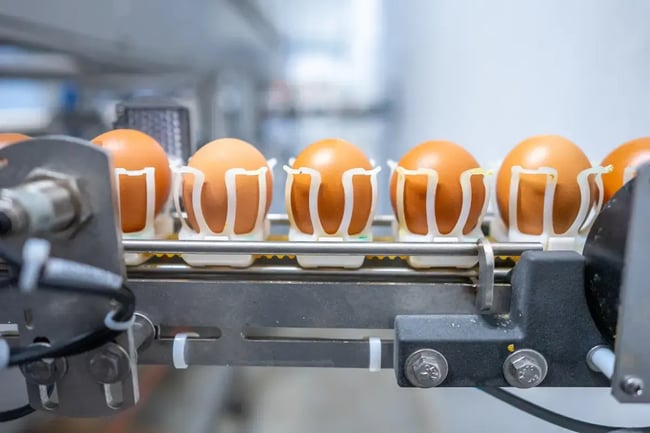
Genus Focus is delivered as one seamless solution by an integrated Orbem and Vencomatic Group team. It combines Orbem’s expertise in AI-powered MRI classification and performance monitoring with Vencomatic Group’s expertise in egg handling and hatchery automation.
Together, these capabilities ensure that eggs are scanned, moved, positioned, sorted and returned carefully and efficiently within one controlled hatchery process.
The same integrated team installs, maintains and proactively supports the system. Hatcheries receive 24/7 remote support and monthly on-site service, while dashboards and monitoring keep performance visible in daily operation.
Genus Focus operates on a pay-per-use model. Instead of purchasing the machine, hatcheries pay per classification, reducing upfront investment and linking costs directly to actual use.