






When tradition meets innovation: Granja Killer’s cage-free transformation
Read our blogs

 Layers
Nest and aviary systems
 Breeders
Nest and aviary systems
Layers
Rearing systems
Various system enhancements
Solutions for manure handling
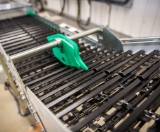
Simple, compact and flexible egg collection
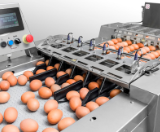
Gentle egg handling and packing
Data driven egg collection
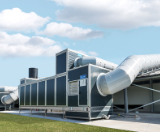
All minimum ventilation climate solutions
All maximum ventilation climate solutions
.png?width=250&height=206&name=Meggsius%20Control%20icon%20-%20Vencomatic%20Group%20(def).png)
Total control over the entire egg flow
.png?width=250&height=206&name=Meggsius%20Count%20icon%20-%20Vencomatic%20Group%20(def).png)
Accurate and reliable egg counting
.png?width=250&height=206&name=Meggsius%20Detect%20icon%20-%20Vencomatic%20Group%20(def).png)
Detecting leaking eggs
.png?width=250&height=206&name=Meggsius%20Select%20icon%20-%20Vencomatic%20Group%20(def).png)
Automatic and objective egg sorting

Inspect your poultry house automatically
.png?width=250&height=206&name=Meggsius%20Connect%20icon%20-%20Vencomatic%20Group%20(def).png)
Connect the full Egg Way
 Broilers
On-farm hatching
Broilers
Effective feeding of broilers
.png?width=160&height=132&name=Egg%20packers%20-%20Vencomatic%20Group%20(2).png)
 Hatchery
All egg packers
.png?width=160&height=132&name=Meggsius%20Select%20-%20Vencomatic%20Group%20(2).png)
Hatchery
Automatic egg selection
Hatchery
Contactless sexing


During the transition to cage-free housing, floor and system eggs are a well-known challenge. Mislaid eggs cost valuable time and reduce efficiency. With the right system design and management, your hens will know exactly where to lay their eggs.

40+ years of experience in one document.
Download the free guide40+ years of experience in one document.
Download the free guide
Floor eggs must be collected manually, often several times per day. Just 1% reduction in floor eggs can save hours of manual labour!

Less floor eggs results in a higher overall egg quality.

Less labour and higher product quality result in a higher turnover.