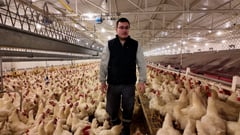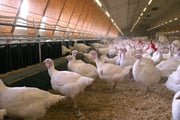











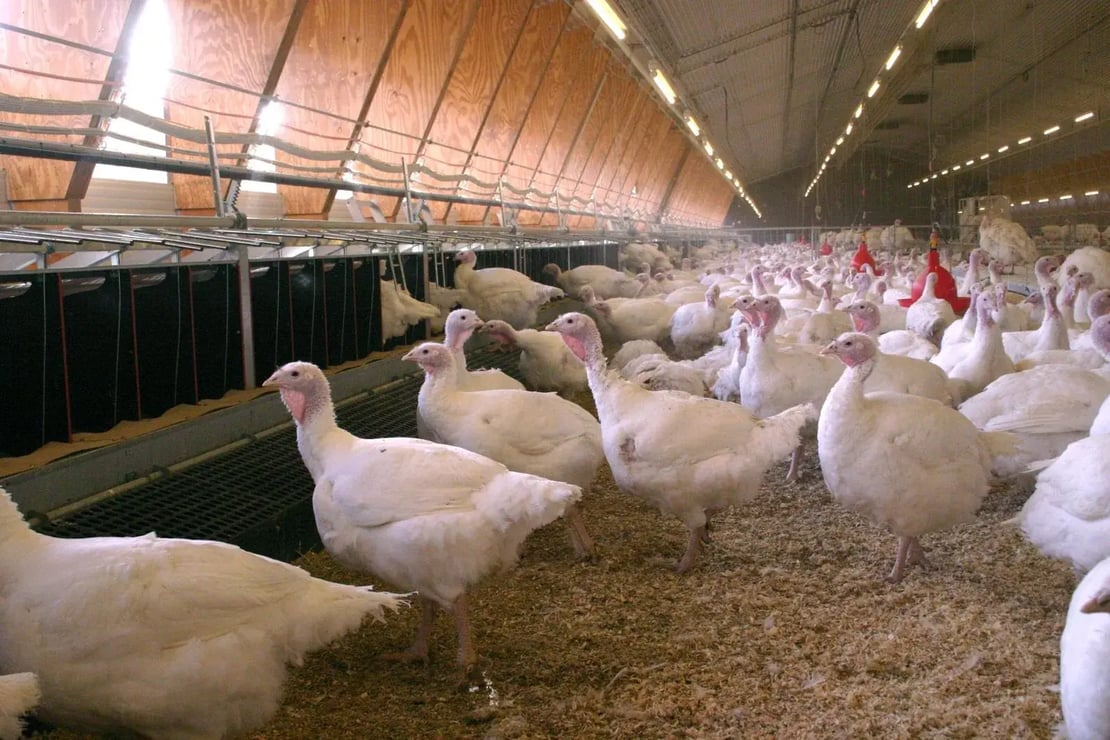
In February 2026, the European Food Safety Authority published its first-ever scientific opinion on the welfare of farmed turkeys. The verdict on current production systems was clear: substantial reform is necessary.
This is not yet law. But the scientific direction is set – and it points directly at stocking density, beak trimming, litter quality, and climate control. For European turkey producers already navigating margin pressure from rising costs, retailer dominance, and cheap imports, the timing could not be more demanding.
The operations that begin adapting now, as part of planned investment cycles, will absorb the transition far more efficiently than those that wait for legislation to force their hand.
Efficiency is the only lever left
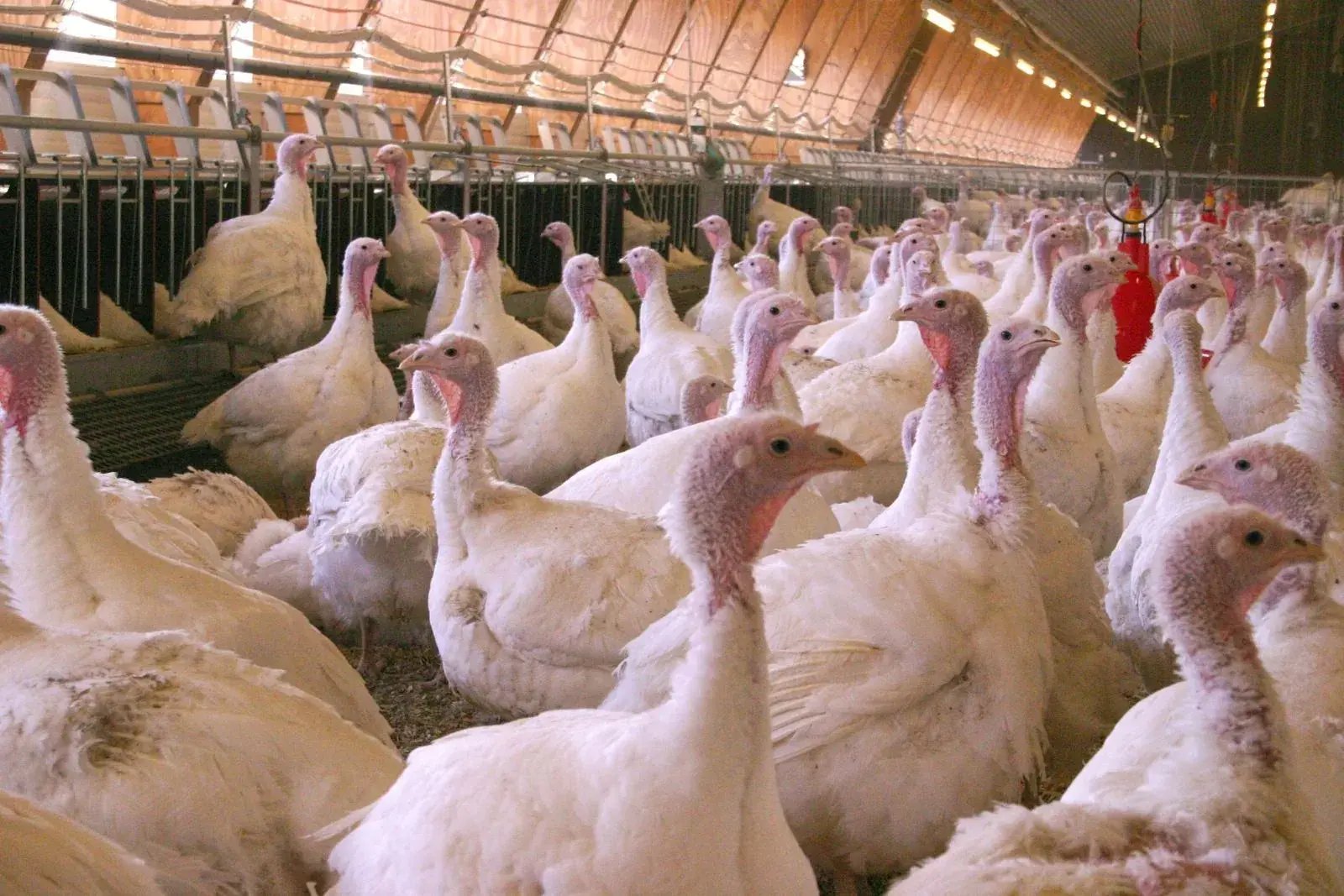
What makes the EFSA recommendations commercially significant is where welfare and efficiency overlap. Dry, friable litter, good air quality and no draughts are good for both welfare and feed conversion. These are not overheads – they are the conditions under which turkeys eat, grow, and convert feed efficiently. Space is different. Fewer birds per m² means less output, so efficiency everywhere else matters even more.
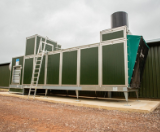
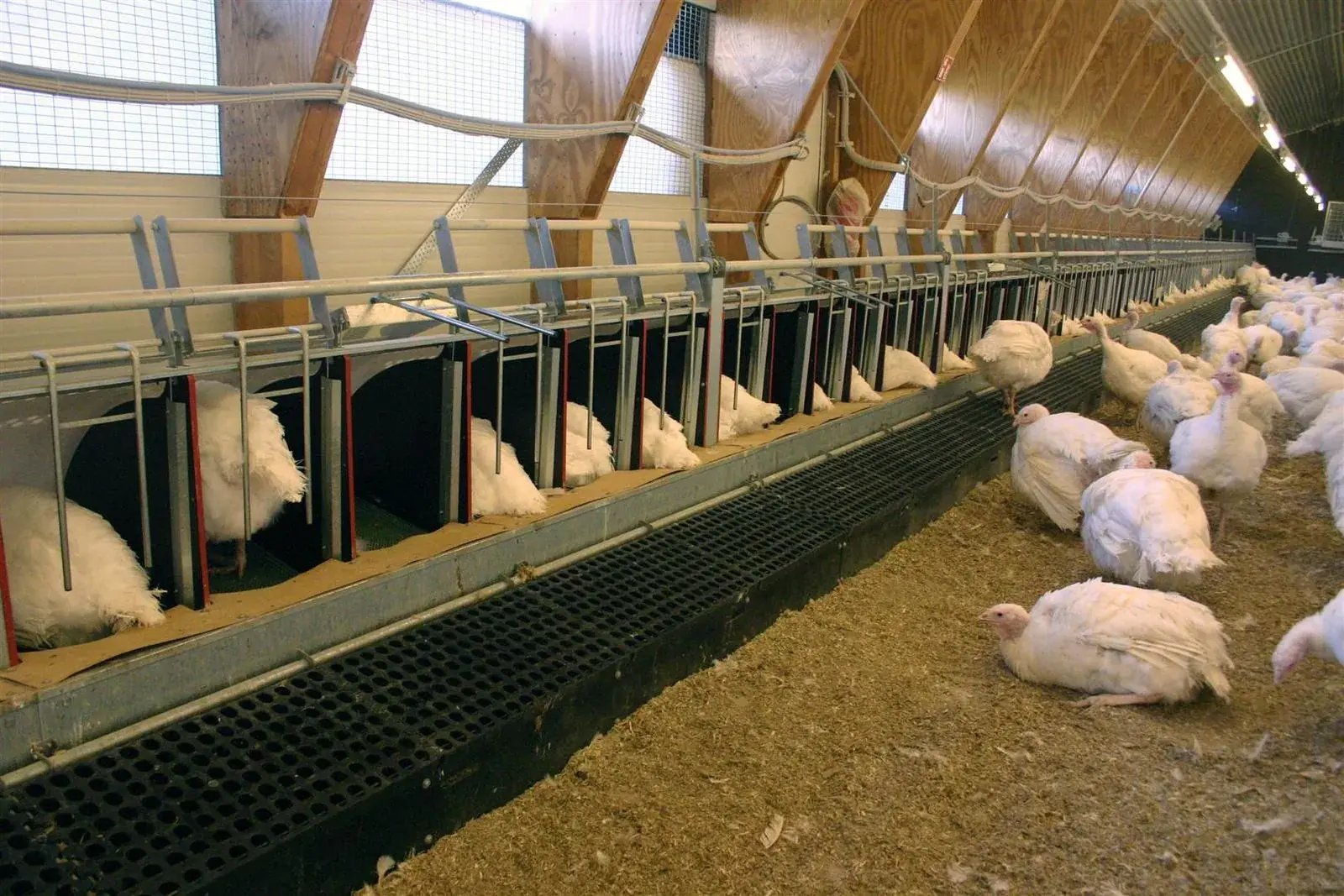
Modern heat recovery ventilation, precise litter management, and welfare-compliant housing design are not just compliance tools. They are margin protection tools.
Get the full breakdown
Want the full breakdown – stocking density numbers, the beak trimming challenge, market economics, and how heat recovery ventilation can help? Download our whitepaper.