







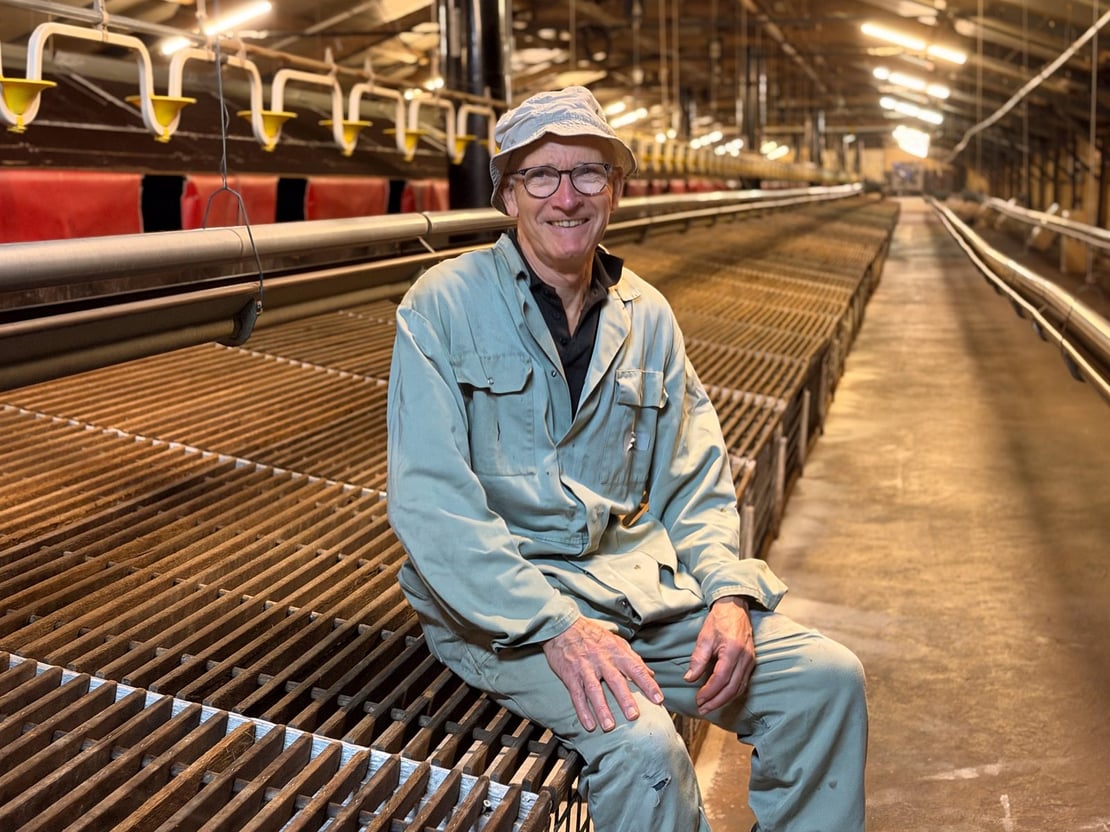
How a Dutch propagator focuses on technology, costs and continuity in uncertain times.
After nearly forty years in business, Jos’s approach has remained uncomplicated. He does not rush ahead simply because he can. He does not expand simply because bigger is automatically better. Instead, he continues to look for ways to make things smarter, more reliable and more practical.
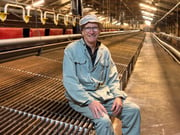
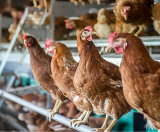
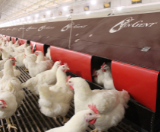
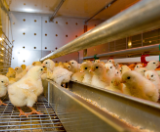
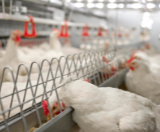
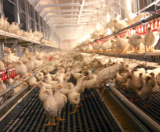
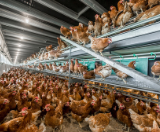
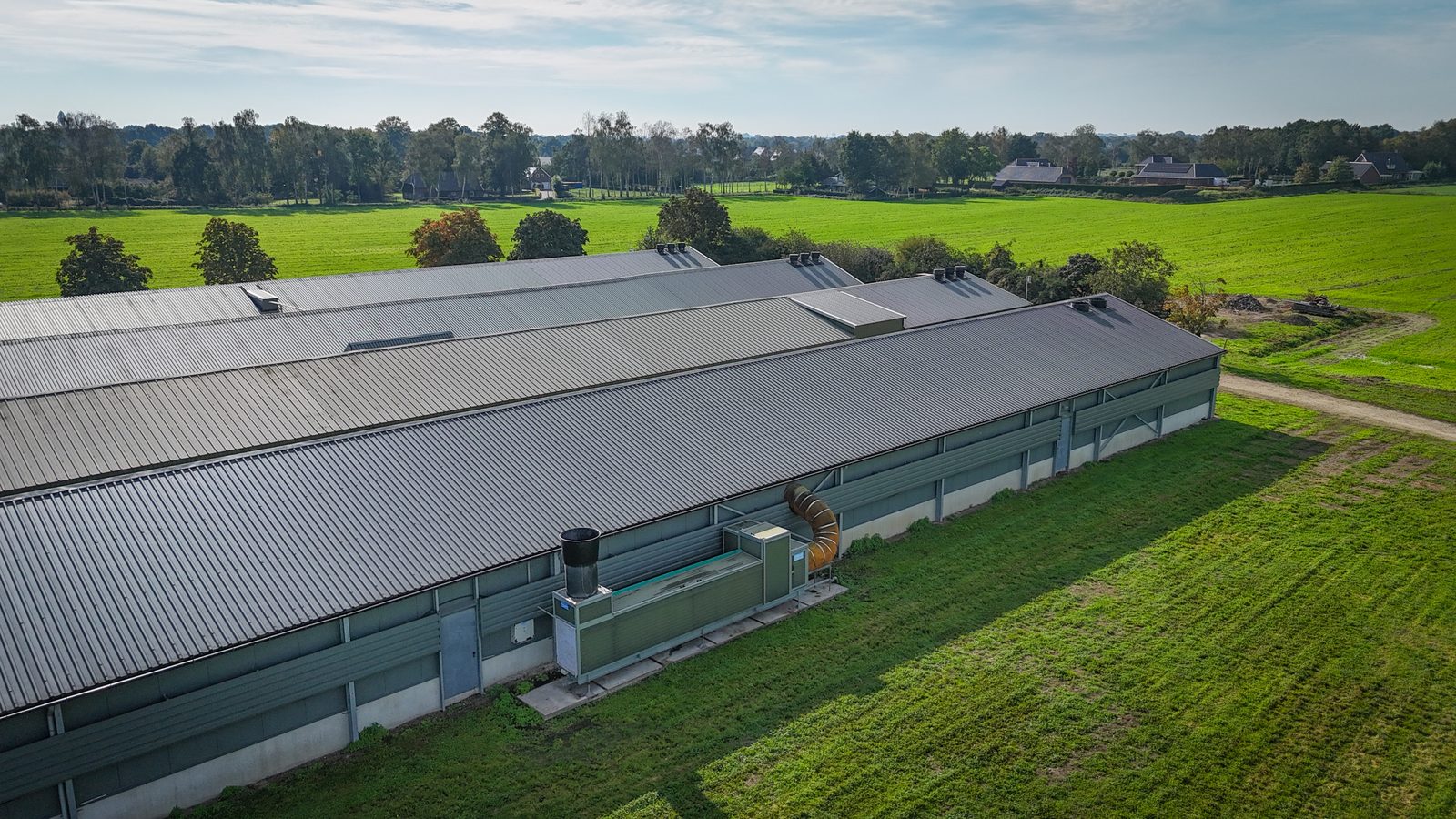
Some entrepreneurs are primarily focused on growth. Jos van Uden is focused on running the business well. That sounds simple, but in practice it is precisely where craftsmanship begins. Since 1986, he has been building a breeder business in Geffen alongside his wife and father-in-law. Today, the business keeps around 27,000 breedier stock birds, spread across four barns. An average production cycle lasts approximately forty weeks.
“We’re not a high-growth business. If we can’t manage well with this number, then we won’t manage with seven thousand or ten thousand more either.”
He does not have complete control over the market, increasing feed prices or Dutch government regulations. However, he does have control over the way he cares for his animals, organises his processes and maintains his facilities. That is what he focuses on. Day in, day out.
Focusing on what you can control
For a breeder farmer, not all factors can be influenced. Feed prices fluctuate, yields change and the results of hatching eggs are determined further down the chain. Yet the business must keep running every day. That is why Jos focuses primarily on the matters he can control: ensuring technical operations run smoothly, keeping an eye on costs, managing the animals well and preventing breakdowns.
“Just running things smoothly. Ensuring everything runs smoothly from a technical point of view. You don’t always have control over the financial side of things.”
That doesn’t mean the figures aren’t important. On the contrary, Jos keeps a close eye on the agreements regarding the price of hatching eggs, feed costs and feedback from the hatchery. But he also remains level-headed about figures he cannot fully control himself. He wants to know what’s happening, without pretending that everything can be controlled with the flick of a switch.
Improving with every cycle
Much of his business management lies in small, practical choices. A nesting mat that can shift is secured in place. Feed is prepared in such a way that any disruption can be resolved during the day. Maintenance is preferably scheduled between rounds rather than in the middle of the egg-laying process. Such choices may not make for a great story, but they do minimise risk.
“I’d rather invest time when we’re on site than be sorting eggs and suddenly have to rush into the house.”
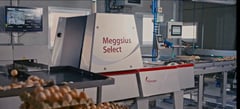
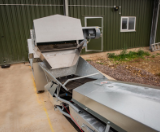
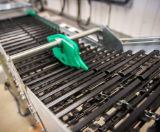
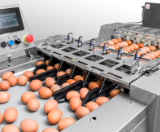
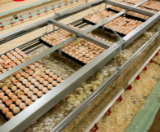
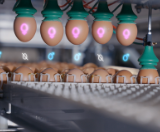
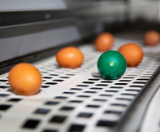
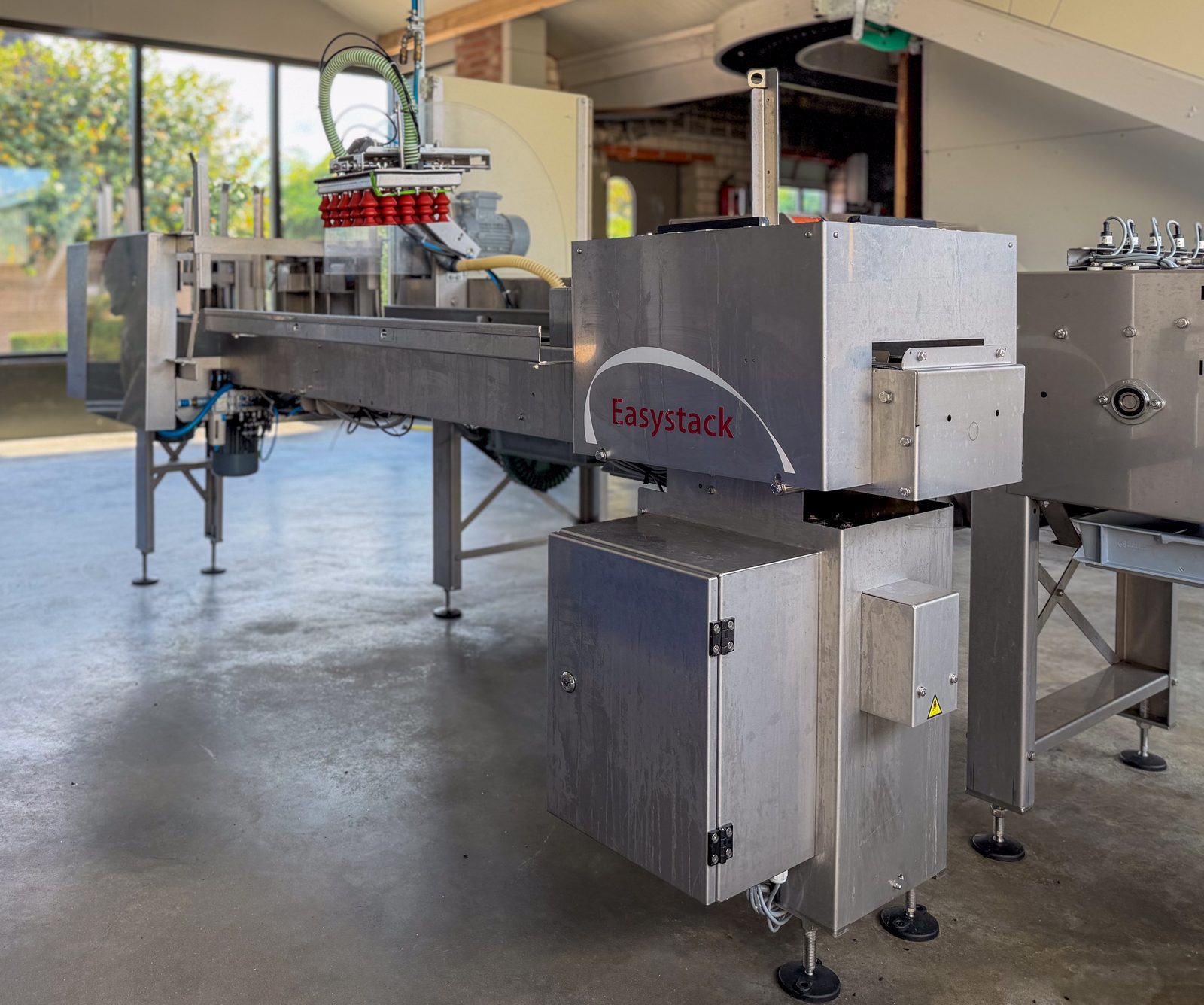
Even with automation, manual work still plays a role. One person checks the eggs on the conveyor belt and removes dirty, damaged eggs and double-yolkers. A second person works at the Prinzen PSPC 5, which then packs the eggs into 30-egg trays or hatching trays, depending on the customer’s requirements. Not everything needs to be fully automated if a manual check is more suitable for the farm.
Investing requires a vision for the future
Like many Dutch poultry farmers, Jos is faced with an uncertain investment climate. Regulations and development opportunities can change, whilst a poultry house or installation is built to last for decades. This makes entrepreneurs cautious when considering long-term investments. Not because they don’t want to invest, but because an investment must remain viable in the long term.
Jos does not turn this into a political issue. He focuses primarily on what an investment means for his own farm. Does it contribute to a healthy environment? Does it make the manure drier? Does it save on labour or prevent downtime? And is that benefit significant enough to justify the investment?
The next generation is getting a taste of the business
Jos’s son-in-law is also helping out during the visit. He joined the business with no background in poultry farming and is learning, step by step, what the work entails. He particularly enjoys working with the animals. In doing so, he is also learning how technology supports animal care and day-to-day operations.
At present, the next generation is getting a taste of the business and familiarising themselves with day-to-day operations. No decision has yet been made regarding business succession or a takeover. Time will tell how things will unfold. Personal choices will play a part in this, as will the opportunities that remain for the business in the Netherlands.
For Jos, continuity does not lie in bigger or newer, but in taking a close look at what can be improved with every new cycle. As long as technology, costs and day-to-day operations remain in balance, the business can, above all, do what it needs to do: simply run smoothly.