







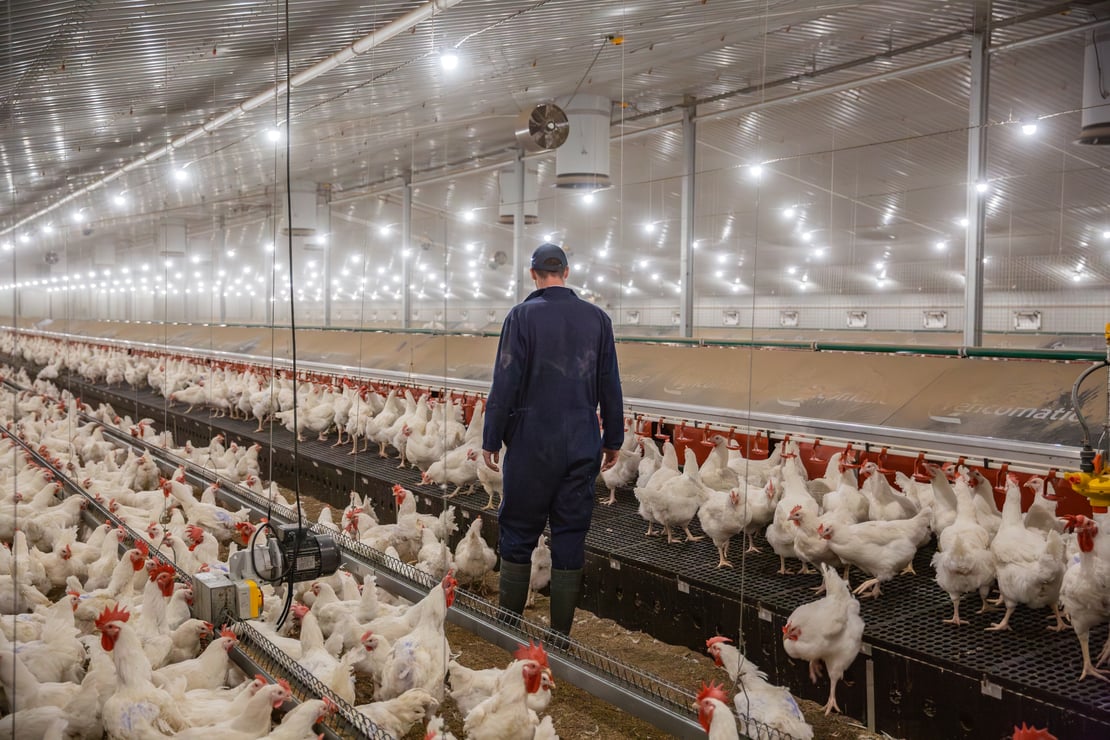
United Kingdom– At Donald Pig and Poultry, automation is not about replacing people. It is about giving the team more time with the birds, handling every egg carefully and creating a business that can continue to grow.
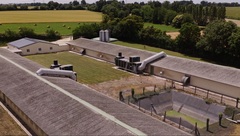
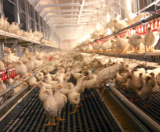
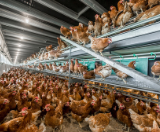
Donald Pig and Poultry began in 1960, when Ken and Betty Donald built their first broiler breeder house in North Yorkshire. Over three generations, the family farm has developed into a substantial breeder operation. In 2024, the business expanded again with a new flock of 36,000 birds. For Matt Donald, who runs the farm with his father, brother and a dedicated team, this growth made efficient egg handling increasingly important.
“We were trying to save time and, by saving time, I mean giving the team more time with the birds.”
Making better use of people and time
Finding and retaining good employees is a challenge for many poultry businesses. Labour requirements can also change considerably during the breeder cycle. With three sites and a new flock arriving approximately every four months, Donald Pig and Poultry needs to be able to deploy its team flexibly.
Automation reduces repetitive egg-handling tasks and makes the daily process easier to manage. It also helps the team complete its work earlier, contributing to a better work-life balance. Matt stresses that technology supports people rather than replaces them.
“Finding the right staff is most important. If we can find the right people, we’ll make it work by offering them flexibility.”
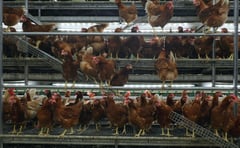
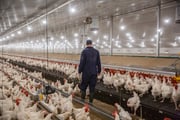
The automated equipment also makes training more straightforward. Instead of spending time monitoring egg belts and manually regulating the flow, employees can focus more attention on bird management and welfare.
One integrated egg-handling process
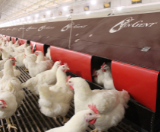
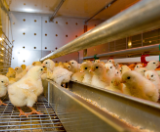
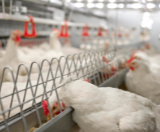
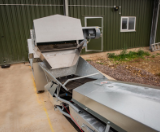
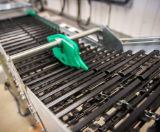
At its latest site, Donald Pig and Poultry installed an integrated solution consisting of the Classic Centre Belt Nest, Meggsius Count, Meggsius Control, Meggsius Detect, Meggsius Select and a Prinzen PSPC7.
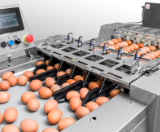
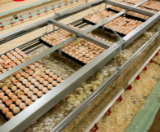
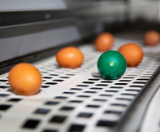
For Matt, the main benefit is how these systems work together. Eggs move continuously from collection through inspection, selection and packing, with a processing capacity of up to 17,000 eggs per hour.
Meggsius Count and Control monitor egg numbers and regulate the flow towards the packer. This removes the need for an employee to constantly watch the belts and helps prevent interruptions or bottlenecks.
“The Count and Control means there’s less inefficient time with the belts. You’re not relying on somebody watching for when the belts are empty or when fewer eggs are coming through. It monitors the eggs itself.”
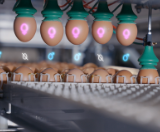
Meggsius Select automatically removes eggs that are unsuitable for hatching, including undersized eggs and double yolks. Meggsius Detect helps identify leaking or cracked eggs. Together, the systems allow the team to handle large volumes consistently while limiting unnecessary manual handling.
Getting eggs into the right conditions sooner
For Donald Pig and Poultry, speed is not simply a matter of productivity. A broiler breeder egg is a fertile, living product that needs to be handled carefully and brought into suitable storage conditions as soon as possible.
“Broiler breeder eggs are fertile, so it’s a living thing. When that egg is laid, you want to minimise damage and get it into the right temperature.”
Across the three houses at the latest site, the team has all eggs from 36,000 birds packed by around 9:30 in the morning. The eggs can then be moved into the egg store, where they are kept at 18°C.
A controlled egg flow also means fewer eggs accumulate on the belts. According to Matt, this helps reduce damage and increases the number of suitable hatching eggs sent to the hatchery.
Looking towards the future of egg production
Donald Pig and Poultry’s relationship with Vencomatic Group goes back more than three decades. Its first Vencomatic equipment was installed in 1991, and the farm still operates nest systems that have been in use for more than 20 years.
“When we’re in the business for the long term, we want something that’s built to last.”
Remote support has become another important part of the relationship. Equipment can be monitored and, where possible, serviced remotely. This can reduce downtime and limit the number of external visitors entering the farm.
“Remote access has been great. The more they can fix remotely, the better it is for reducing avian influenza risk.”
Matt sees the results as a combination of committed people, careful management and technology. The farm’s most recent flock was named PD Hook’s Flock of the Year, which he considers an encouraging sign that this combination is working.
Looking ahead, Donald Pig and Poultry intends to keep growing. Automation will remain part of that development, but always as a tool to support the people and birds at the heart of the farm.
“Technology will never replace humans in poultry houses. It helps us maintain high standards of production and welfare, and it makes poultry farming a more pleasant place to work.”
For Matt, the principle behind each investment remains straightforward: pay attention to every part of the process and give every egg the best possible start.
This content requires cookies to be enabled.